Watercolor Animals and Toys Illustrations: A Brand Designer’s Real-World Review
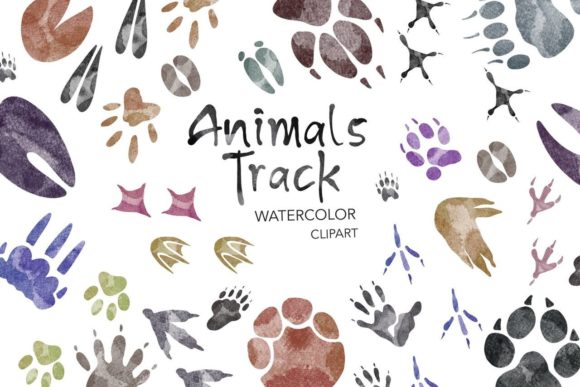
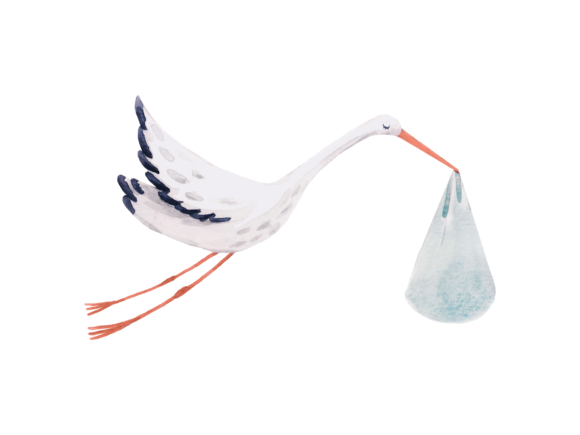
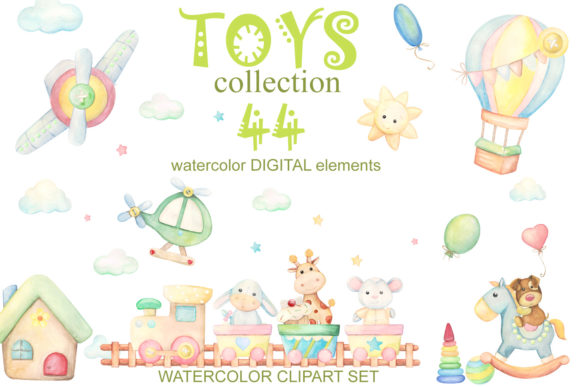
As a brand designer working primarily with local businesses—think boutique shops, artisan food brands, and handmade product sellers—I’m always on the lookout for design assets that bring both charm and versatility. When I first opened the Watercolor Animals and Toys Clipart pack, I was struck by its soft, organic feel. It immediately brought to mind small children’s brands, boutique toy stores, and even seasonal product lines that benefit from a whimsical, approachable aesthetic.
The collection has a handmade, slightly imperfect texture that feels both playful and authentic. It leans more toward the feminine and festive side of design, which makes it ideal for brands that want to evoke warmth, creativity, and approachability. While not inherently luxury or minimalist, this clipart can add a decorative yet organic touch to brands that want to stand out with a soft, personable visual language.
From Bakery Wrappers to Social Media: Real-World Branding Uses
I recently worked with a local children’s boutique that sells handmade toys and baby clothing. The client wanted a brand identity that felt gentle, friendly, and distinctive. I used the Watercolor Animals and Toys Clipart across several touchpoints:
- Product packaging: Printed on cotton gift bags and tissue paper for a soft, boutique feel.
- Labels: Small animal illustrations were placed subtly on clothing tags and toy packaging.
- Thank-you cards: Paired with a handwritten font for a personal, handmade look.
- Social media graphics: Used as background accents in Instagram Stories and carousel posts.
- Seasonal campaigns: Holiday-themed illustrations added festive flair to gift boxes and promotional flyers.
The clipart worked beautifully across these formats, especially when layered with clean typography and soft pastel brand colors. It gave the brand a cohesive visual identity without overwhelming the design or feeling too juvenile.
How This Clipart Supports Business Presentation
One of the biggest challenges small businesses face is standing out in a crowded market. Visuals matter more than ever—especially in retail and online sales. Here’s how the Watercolor Animals and Toys Clipart helps elevate a brand’s presentation:
- Stronger first impression: The soft illustrations immediately communicate warmth and creativity.
- Better product recognition: Unique illustrations help differentiate products on shelves and digital marketplaces.
- Clearer visual hierarchy: Can be used to highlight key product features or seasonal promotions.
- More consistent brand identity: Repeating illustrations across packaging and digital content builds recognition.
- Improved customer trust: Professionally designed visuals signal attention to detail and quality.
- Better shelf appeal: Especially effective for boutique and handmade products needing a personal touch.
- Stronger emotional connection: Watercolor animals feel nostalgic and comforting, making them ideal for family brands.
Where This Clipart Works Best
Based on my experience, the Watercolor Animals and Toys Clipart shines brightest in the following design applications:
- Product labels: Especially for baby items, children’s toys, and artisanal food packaging.
- Packaging accents: Adds charm without overpowering the brand message.
- Hero graphics: Perfect for landing pages or social media banners that need a soft, engaging visual.
- Promotional banners: Works well for seasonal campaigns and holiday promotions.
- Seasonal packaging: Easily adapted for spring, summer, or holiday-themed product lines.
- Boutique visuals: Ideal for small shops selling handmade or curated items.
Where to Use It Carefully
While this clipart brings a lot of charm, it’s not a one-size-fits-all solution. Here are a few situations where it should be used with caution:
- Formal corporate branding: Too playful for professional or luxury brands.
- Very small labels: Details can get lost at tiny sizes.
- Crowded product packaging: May clash with other design elements or text.
- Ingredient-heavy layouts: Not ideal for product labels with a lot of technical information.
- Luxury minimalist brands: Doesn’t align with clean, modern design aesthetics.
- Low-contrast backgrounds: Watercolor textures can fade if not placed strategically.
Brand Designer’s Practical Notes Before Use
Before integrating the Watercolor Animals and Toys Clipart into any branding project, here are a few practical steps I always take:
- Test on real packaging mockups: See how the illustrations translate to physical materials.
- Check black and white usage: Some watercolor elements lose impact without color.
- Preview on small labels: Ensure clarity and readability at reduced sizes.
- Test with brand colors: Confirm the illustrations complement your color palette.
- Compare with competitor packaging: Make sure the design stands out in your market segment.
- Check print quality: High-resolution PNG or vector files are essential for sharp output.
- Review PNG transparency: Confirm illustrations have clean edges and transparent backgrounds for easy placement.
- Inspect SVG or vector editability: If scalability is important, test in Adobe Illustrator or similar software.
- Test with different fonts: Works best with script, handwritten, or soft sans-serif fonts. Avoid pairing with overly bold or formal typefaces.
- Confirm commercial licensing: Always double-check that the clipart has a valid commercial license for client work or product sales.
Final Thoughts: A Versatile Graphic Design Asset for Local Brands
The Watercolor Animals and Toys Clipart is more than just a decorative design element—it’s a graphic design asset that can enhance a local brand’s visual identity, packaging, and marketing visuals. Whether you’re designing product mockups, social media graphics, or printable inserts, this clipart brings a handmade and organic charm that resonates with customers.
For small business owners, packaging designers, and creative entrepreneurs, this is a valuable tool to elevate your brand’s professional look while keeping your visuals warm, approachable, and unique. Just remember to use it thoughtfully—especially in complex or formal design contexts—and always test it across your intended applications before final production.