Watercolor White Flowers Clipart: A Designer’s Real-World Review
First Impressions: Soft, Versatile, and Subtly Elegant
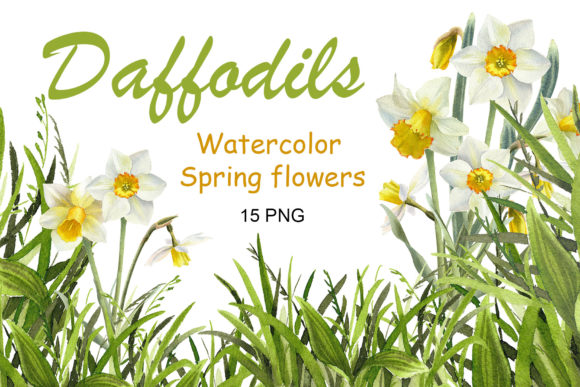
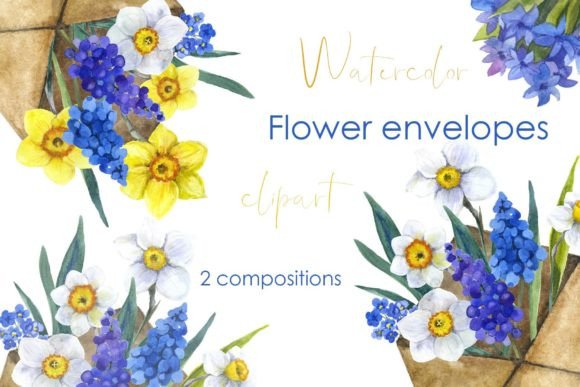
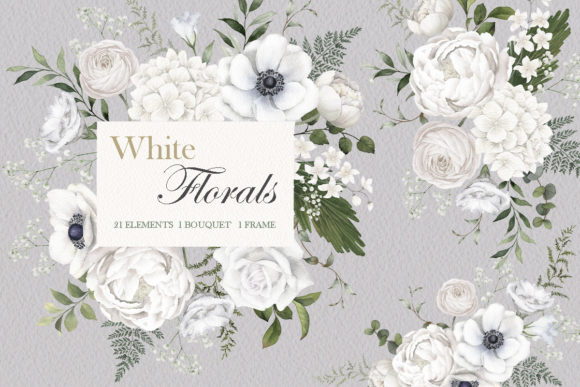
Opening the Watercolor White Flowers Clipart, I was immediately struck by its soft, painterly quality. The design has a gentle, flowing composition that feels organic and unforced. It’s clearly crafted with a watercolor aesthetic—subtle gradients, blurred edges, and a sense of motion that mimics brush strokes. This isn’t a bold or graphic design; it’s more of a whisper than a shout, which makes it perfect for certain niche projects.
The layout is balanced but not symmetrical, giving it a natural feel that’s great for embroidered items that lean into handmade charm. It’s not overly detailed, which is a plus when considering stitch density and clarity. The white-on-white floral theme is elegant and versatile, especially for those working with light fabrics or looking to create a minimalist, elevated look.
Real-World Use: From Tote Bags to Baby Clothes
I tested the Watercolor White Flowers Clipart on a few different project types to see how it translated from screen to stitch. Starting with a natural cotton tote bag, the design held up beautifully. The soft outlines and subtle layering stitched cleanly without any major distortion. The watercolor effect translated well through satin and fill stitches, especially when using a slightly varied thread palette to mimic the original shading.
On a white baby onesie, the design felt appropriately delicate and gender-neutral—perfect for gifting or small batch boutique items. I used a lightweight stabilizer and a soft hoop to avoid stretching the fabric, and the result was clean and soft, not bulky or harsh. It’s a strong contender for personalized baby embroidery where you want to maintain a soft, whimsical tone.
When applied to a gray sweatshirt for a custom apparel project, the white flowers stood out well without feeling too stark. I considered adding a light gray outline to enhance contrast, but ultimately, the simplicity of the original design was its strongest feature. It reads as high-quality and intentional, which is important when selling custom apparel or small shop products.
Where to Use It Carefully
While the Watercolor White Flowers Clipart works well in many scenarios, it does require some thoughtful application. On dark fabrics, the white elements can feel too stark unless paired with a subtle background fill or shadow stitch to blend it in. I’d recommend testing it on a mockup or using a gray or ivory thread alternative if the white feels too harsh.
It’s also not ideal for very small hoop sizes. The soft edges and flowing lines lose definition when scaled down, especially around the more intricate petal tips. If you’re making embroidered patches or caps with tight hoop constraints, this design may need simplification or a different layout to maintain clarity.
On stretchy or textured fabrics like knits or towels, the watercolor effect can distort slightly during stitching. I found that using a medium-weight tear-away stabilizer helped maintain the integrity of the shape, but it’s worth doing a test run before committing to a final product like a kitchen towel or holiday gift.
Design Impact: Visual Appeal and Customer Perception
One of the biggest strengths of this design is how it elevates the perceived value of a product. Because of its painterly quality, it gives off a more “artistic” or “curated” vibe that’s especially appealing for Etsy sellers and creative entrepreneurs trying to stand out in a crowded market.
For personalized gifts like embroidered pillows or nursery decor, this design adds a touch of softness and sophistication. It doesn’t overwhelm the item, but it still feels intentional and high-quality. That kind of balance is key for maintaining brand consistency while offering a range of customization options.
From a buyer engagement standpoint, this design has giftability written all over it. It’s easy to imagine it on a bridal shower gift, a baby shower onesie, or a boutique tote bag. It’s subtle enough to feel timeless, but distinctive enough to feel special.
Practical Notes for Embroidery Designers
If you’re considering using the Watercolor White Flowers Clipart in your own work, here are a few practical tips based on my testing:
- Test on scrap fabric first—especially if you’re working with stretchy or textured materials.
- Check thread color contrast if you’re planning to use it on darker backgrounds.
- Review stitch density—this design has soft fills that can benefit from slight adjustments depending on fabric weight.
- Confirm hoop size before stitching to avoid distortion or clipping of the design edges.
- Inspect small details like petal edges—some may need reinforcement for clarity on smaller items.
- Test in black and white mockups to see how it reads without color.
- Compare light and dark fabric backgrounds to determine if the design needs adaptation.
- Use proper stabilizer—medium-weight tear-away or wash-away works best for soft designs like this.
- Verify licensing if you’re planning to use it in digital product previews or sell finished items commercially.
It’s also worth noting that while this is technically an illustration, it functions more like a machine embroidery design in terms of layout and stitch translation. It’s not an applique design, so keep that in mind when planning your workflow.
Final Thoughts: A Thoughtful Design for the Right Project
The Watercolor White Flowers Clipart won’t be everyone’s go-to design, but for the right project, it shines. It’s a quiet, elegant choice that works well for handmade products where subtlety and craftsmanship matter. Whether you’re creating custom embroidery for a client, building a line of printable mockups, or designing commercial embroidery for boutique items, this design offers a soft, artistic touch that can elevate your work.