Dusty Pink Rose Watercolor Clipart: A Designer’s Honest Take for Real Embroidery Use
First Impressions: Soft, Romantic, and Versatile
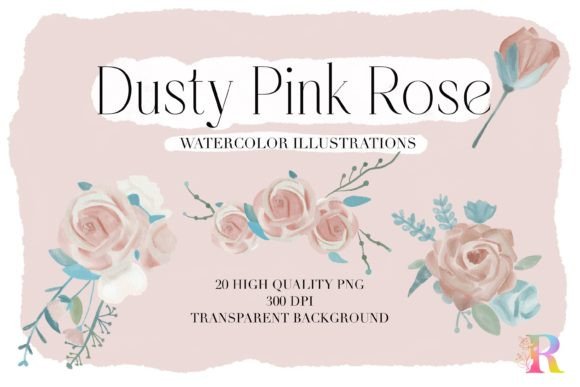
Opening the Dusty Pink Rose Watercolor Clipart feels like stepping into a quiet garden at dawn. The muted pink tones and soft watercolor edges give it a dreamy, artistic quality that’s both delicate and modern. It doesn’t scream for attention—it invites it gently. As an embroidery designer, I immediately thought of how this would translate into a stitched design on natural fabrics like linen or cotton. The layout is balanced, the brushstroke details are subtle, and the overall theme leans toward the feminine and vintage-inspired, which makes it ideal for a range of handmade and boutique-style products.
Real-Life Embroidery Test: Custom Tote Bag Edition
I decided to test this design on a custom tote bag project—something many Etsy sellers and small craft businesses rely on. After converting the clipart into a machine embroidery design, I stitched it onto a medium-weight cotton canvas. The result was lovely: the watercolor texture held up well in fill stitch, especially with a light thread palette that mimicked the original pink hues. The soft edges gave it a hand-painted look without losing clarity in the stitchout. It looked like it belonged there, not like a stock design slapped on a bag.
Where This Design Shines
- Personalized baby items: Perfect for embroidered onesies or baby blankets where softness and elegance matter.
- Wedding or bridal shower gifts: The romantic tone works well for handkerchiefs, napkins, or custom clutches.
- Boutique tote bags: Adds a curated, artisan feel that shoppers love.
- Custom sweatshirts: Looks great centered on the chest or subtly on the sleeve.
- Digital mockups: Ideal for Etsy sellers needing high-quality printable mockups that reflect a gentle, handmade aesthetic.
Performance Across Embroidery Projects
Stitching out the Dusty Pink Rose Watercolor Clipart across different fabric types gave varied but mostly positive results. On stable cotton and linen, the satin and fill stitches captured the watercolor texture beautifully. On stretchy knits, like those used in baby clothes, I needed to adjust stitch density and use a lightweight stabilizer to prevent distortion. It didn’t fare as well on very dark fabrics unless I used a white underlay to preserve the design’s softness. Still, with a bit of tweaking, it adapts well to a variety of embroidery files and project types.
When to Use With Caution
Despite its charm, this design isn’t a one-size-fits-all solution. Here are a few situations where I’d approach it carefully:
- Small hoop sizes: The detail gets lost under 3x3 inches.
- Textured or thick fabrics: The soft watercolor look can get muddied on burlap or heavy denim.
- Dark fabric backgrounds: The light tones need a light base to show up properly.
- Curved surfaces like caps: Distortion risk is higher unless you adjust the file for curved embroidery.
- High-wear items: The delicate look may not hold up well on frequently washed items unless you reinforce the stitching.
Impact on Product Appeal and Customer Perception
From a product design standpoint, this embroidery file adds a touch of sophistication that elevates the perceived value of handmade items. It reads as “thoughtful” rather than “mass-produced,” which builds trust with buyers. For Etsy sellers or small shop owners, that’s gold. It also works well in branding—especially for those marketing organic, vintage, or feminine product lines. If you’re selling embroidered pillows or personalized gifts, this design can help create a cohesive visual identity across your finished product lineup.
Designer Notes: Practical Tips for Best Results
Before stitching this into any project—personal or commercial—here’s what I recommend:
- Test the design on scrap fabric first to see how the watercolor effect translates in thread.
- Check thread color contrast against the original image to preserve the intended mood.
- Review stitch density, especially in the softer areas, to prevent gaps.
- Confirm hoop size compatibility before stitching on curved or small surfaces.
- Inspect small details under magnification to ensure clarity in the final stitchout.
- Try a black and white mockup to see how the design reads without color.
- Compare how it looks on both light and dark fabric backgrounds.
- Use a lightweight stabilizer for stretchy or thin fabrics.
- Verify licensing if you plan to sell items made with this design.
Final Thoughts: A Worthy Addition to Your Design Assets
The Dusty Pink Rose Watercolor Clipart isn’t just another freebie—it’s a usable, versatile design that can elevate your embroidery work when applied thoughtfully. Whether you're creating embroidered patches, boutique apparel, or digital product previews, this design has the visual appeal and flexibility to work across a range of creative projects. Just be mindful of fabric choice, stitch settings, and placement, and it’ll serve you well in both personal and commercial embroidery files.