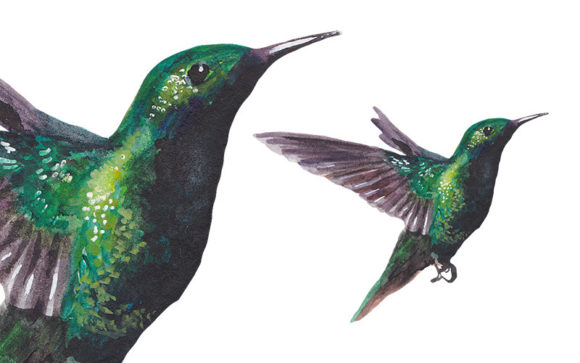
Watercolor Flying Hummingbird Illustrations for Blog and Editorial Design
First Impressions: A Breath of Artistic Fresh Air
The Watercolor Flying Hummingbird Art immediately evokes a sense of softness, movement, and natural beauty. As a blog designer and digital publisher, I was drawn to its organic textures and gentle color palette. It’s the kind of illustration that feels both timeless and modern, perfect for content that wants to feel artistic without being overly decorative. This design asset lands somewhere between lifestyle-focused and editorially refined—ideal for bloggers, content creators, and digital marketers who want to inject a touch of elegance into their visual storytelling.
Setting the Editorial Mood with Watercolor Flying Hummingbird Art
This hummingbird illustration brings a soft, feminine, and slightly whimsical tone to any layout. It’s not playful in a childish way, but rather in a way that invites curiosity and warmth. That makes it particularly effective for niches like lifestyle, wellness, nature, gardening, travel, and creative entrepreneurship. The watercolor texture adds a hand-crafted feel that resonates with readers who value authenticity and artisanal design.
From a visual communication standpoint, this illustration helps create a relaxed and inviting editorial atmosphere. It’s not bold or attention-grabbing in a loud way, but it subtly enhances reader trust by signaling quality and care in the design of the content.
Real-World Publishing Uses for Watercolor Flying Hummingbird Art
- Blog featured images – Use as a background accent or focal point in post headers.
- Pinterest pins – Works beautifully as a visual anchor for lifestyle or nature-related content.
- Newsletter banners – Adds a touch of elegance to email headers and content upgrades.
- Digital guides and worksheets – Perfect for chapter dividers or decorative accents in downloadable resources.
- Canva templates – Ideal for creating branded content visuals for social media or blog graphics.
- eBook covers – Especially effective for creative or nature-themed digital products.
- Category thumbnails – Helps visually distinguish content sections in editorial websites.
How This Graphic Design Asset Boosts Content Performance
When used strategically, the Watercolor Flying Hummingbird Art can significantly enhance the visual appeal and performance of your content. Here’s how:
- Stronger first impression – The soft watercolor style immediately sets a warm, inviting tone.
- Clearer visual hierarchy – Acts as a subtle focal point that guides the reader’s eye through the layout.
- Better click-through potential – Makes Pinterest pins and blog thumbnails more eye-catching.
- More consistent branding – Works well with pastel, earthy, or botanical color schemes for cohesive design.
- Improved reader trust – Signals that the content is well-crafted and thoughtfully presented.
- Stronger visual identity – Reinforces a unique editorial style that stands out from generic stock imagery.
Where Watercolor Flying Hummingbird Art Works Best
This design asset shines brightest in the following publishing contexts:
- Hero images – As a background or overlay element in website headers.
- Article thumbnails – Especially for niche topics like nature, mindfulness, or creativity.
- Social media visuals – Ideal for Instagram posts or Canva-based promotional graphics.
- Newsletter headers – Adds a touch of personality to email campaigns.
- Content upgrades – Perfect for downloadable printables or lead magnets in lifestyle niches.
- Blog graphics – Use as a divider or accent in long-form editorial content.
Where to Use This Illustration with Care
While the Watercolor Flying Hummingbird Art is versatile, it’s not a one-size-fits-all solution. Here are some scenarios where it may not be the best fit:
- Small mobile thumbnails – The fine details may get lost on tiny screens.
- Text-heavy blog images – Can compete with headlines if not layered properly.
- Low-contrast backgrounds – May blend in too much if not placed against a complementary color.
- Busy layouts – Can feel cluttered if used alongside too many visual elements.
- Serious professional niches – Might feel out of place in legal, medical, or corporate content.
- Minimalist websites – Could disrupt the clean, streamlined aesthetic of ultra-minimal design systems.
Publisher’s Checklist: Practical Design and Performance Notes
Before publishing with this illustration, I recommend the following steps:
- Test it on desktop and mobile screens – Ensure it looks good across devices.
- Check thumbnail visibility – Make sure the hummingbird remains recognizable at small sizes.
- Preview in a real blog layout – See how it integrates with your fonts, colors, and overall brand.
- Layer with headline text – Test readability when used in featured images or Pinterest pins.
- Check contrast and readability – Adjust background colors or overlay opacity if needed.
- Try it in black and white – See if it still holds visual interest without color.
- Pair with different fonts – Works well with script, serif, or soft sans-serif fonts; less ideal with bold display fonts.
- Review file size – Optimize for fast loading times, especially if used on multiple pages.
- Confirm commercial licensing – Always verify that you have the right to use the asset on monetized platforms.
Final Thoughts: A Versatile Design Asset for Creative Publishers
The Watercolor Flying Hummingbird Art is more than just a pretty illustration—it’s a valuable tool for bloggers, content creators, and digital publishers who want to elevate their visual storytelling. Whether you’re designing a newsletter, crafting a Pinterest pin, or building a downloadable resource, this illustration can help you create content that feels polished, professional, and uniquely yours.
If you’re working in niches like lifestyle, nature, wellness, or creative entrepreneurship, this graphic design asset is definitely worth considering. Just remember to test it in your real publishing workflows and pair it thoughtfully with your brand’s visual language.