Watercolor Africa Animal Balloons Clipart: A Brand Designer’s Practical Review for Local Business Branding
First Impressions: Whimsical, Organic, and Versatile Illustrations for Small Business Packaging
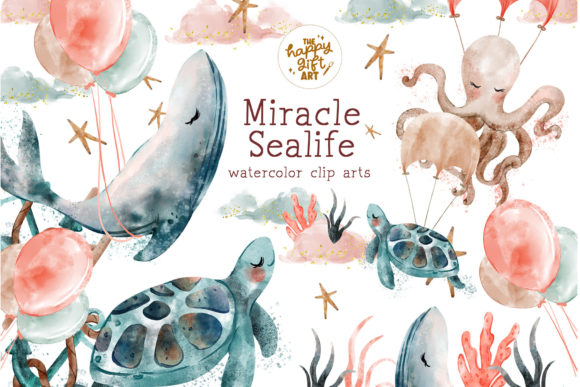
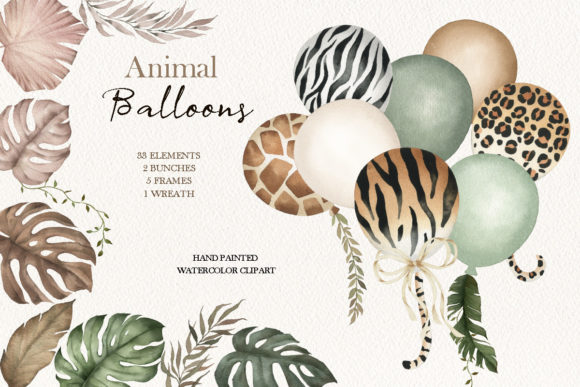
As a brand designer working frequently with local businesses—especially in the handmade, food, and boutique sectors—first impressions of a design asset matter. The Watercolor Africa Animal Balloons Clipart immediately stands out for its soft, hand-painted textures and playful animal motifs. The watercolor style gives it a warm, approachable, and slightly nostalgic feel, which is perfect for brands aiming to communicate authenticity, creativity, and a personal touch.
This set of illustrations leans into a brand personality that’s friendly, family-oriented, and slightly whimsical. It would work beautifully for children’s products, seasonal packaging, boutique gift items, or even a local coffee shop launching a summer campaign. It’s not overtly trendy, but its charm is timeless enough to feel fresh without dating quickly.
Practical Uses in Real Local Business Projects
Let’s get into the real-world applications. I recently worked with a small artisanal candle brand launching a safari-themed seasonal line. We used the Watercolor Africa Animal Balloons Clipart across several touchpoints:
- Product labels – The soft watercolor edges helped the illustrations blend beautifully with the earthy label background.
- Packaging accents – We placed balloon animals subtly in the corners of gift boxes to add a sense of fun and surprise.
- Social media graphics – The PNG transparency made it easy to layer over photos of the candles in use, creating a cohesive visual story.
- Thank-you cards – The illustrations were printed on small inserts inside each candle box, enhancing the unboxing experience.
The clipart also worked well for a local florist looking to create a line of greeting cards and seasonal window decals. The hand-painted quality made the brand feel more artisanal and personal—exactly what small businesses need to stand out in a sea of generic design assets.
How This Graphic Design Asset Elevates Brand Presentation
Using the Watercolor Africa Animal Balloons Clipart isn’t just about decoration—it’s about building a stronger brand presence. Here’s how it supports real business goals:
- Stronger first impression – The unique illustrations catch the eye immediately, especially on store shelves or social media feeds.
- Better product recognition – The distinct style helps create a memorable visual identity that customers can recognize instantly.
- Clearer visual hierarchy – When used as a decorative accent, the clipart helps guide attention to key product features or brand messaging.
- Consistent brand identity – With a cohesive set of illustrations, small businesses can maintain a unified look across packaging, digital assets, and promotional materials.
- Improved customer trust – Handcrafted visuals signal authenticity, which builds emotional trust with local audiences.
Where the Clipart Works Best
This design asset shines brightest in the following applications:
- Product labels – Especially for handmade, boutique, or seasonal items where a soft, organic aesthetic is desired.
- Packaging accents – Adds charm without overwhelming the design.
- Hero graphics – Perfect for website banners or promotional posters that need a joyful, approachable feel.
- Seasonal packaging – Ideal for holiday or limited-edition lines that benefit from a festive, whimsical look.
- Social media campaign graphics – Easy to layer over photos or use as part of Canva templates for consistent branding.
Where to Use It Carefully
While versatile, the Watercolor Africa Animal Balloons Clipart isn’t a one-size-fits-all solution. Here are some scenarios where caution is advised:
- Formal corporate branding – The playful style may not align with professional or luxury brands.
- Very small labels – Details may get lost at tiny sizes.
- Crowded product packaging – Can compete with other design elements if not used strategically.
- Ingredient-heavy layouts – The softness may reduce readability or distract from essential text.
- Low-contrast backgrounds – The watercolor style may not pop enough if the background is similarly soft or muted.
Practical Designer Notes Before Use
Before integrating the Watercolor Africa Animal Balloons Clipart into a client project, here are a few practical checks I always run:
- Test on packaging mockups – See how the illustrations translate to real product boxes, labels, or hang tags.
- Preview in black and white – Ensure the design still works if printed in grayscale.
- Check small-scale usage – Confirm that details remain legible on tiny stickers or thank-you cards.
- Test with brand colors – Make sure the watercolor tones complement the existing color palette.
- Compare with competitor packaging – Avoid looking too similar to other brands in your niche.
- Review print quality – High-resolution PNGs and SVGs are essential for professional results.
- Inspect SVG or vector editability – If you need to tweak colors or scale, vector formats are a must.
- Test with different fonts – The clipart works best with handwritten, script, or soft sans-serif fonts. Avoid pairing with overly formal or rigid typefaces.
- Confirm commercial licensing – Always verify that the clipart is licensed for client work, product packaging, and physical sales.
Final Thoughts: A Valuable Addition to Local Branding Toolkits
For small business owners and local brand designers, the Watercolor Africa Animal Balloons Clipart offers a versatile, emotionally engaging, and visually rich design solution. Whether you're creating a seasonal product line, launching a boutique brand, or designing social media content for a local coffee shop, this graphic design asset helps build a stronger, more memorable brand presence.
Its soft, organic aesthetic works especially well for businesses that want to feel approachable, creative, and connected to their community. Just remember to use it thoughtfully—consider scale, contrast, and context—and always test it in real-world applications before final production.