Magical Watercolor Clipart: Soft Illustrations for Handmade Branding and Seasonal Design
As a graphic designer working frequently with small businesses and boutique brands, I'm always on the lookout for design assets that add emotional depth without overwhelming a layout. Recently, I reviewed Magical Watercolor Clipart for a client project involving a spring-themed candle line launch. The soft, flowing illustrations immediately caught my eye for their painterly quality and versatile aesthetic.
First Impressions: Ethereal and Organic
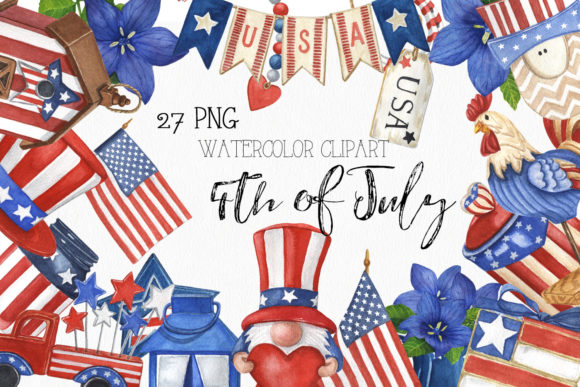
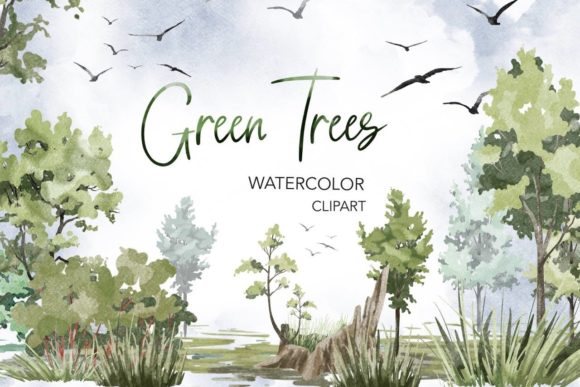
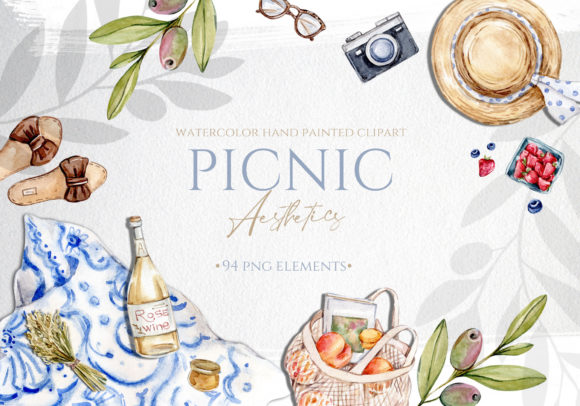
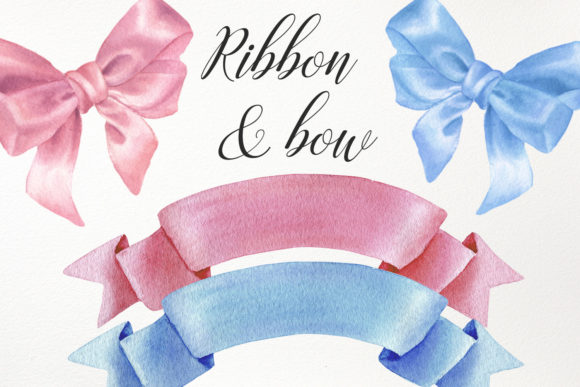
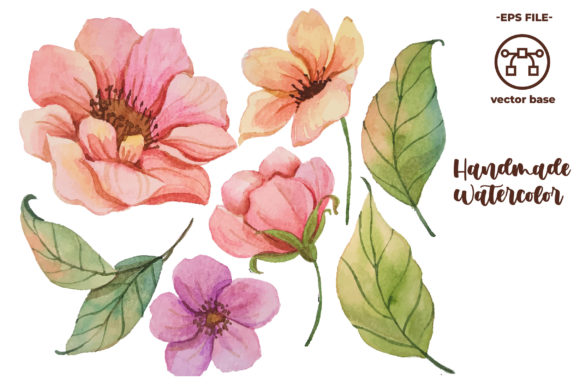
The Magical Watercolor Clipart set includes botanicals, animals, abstract shapes, and seasonal icons rendered in a semi-transparent, fluid watercolor style. Each piece feels hand-painted, with subtle texture and bleeding edges that suggest a human touch. The color palette leans toward muted pastels with occasional pops of deeper hues, making it ideal for projects needing a gentle, artisanal feel.
Visually, these illustrations carry a dreamlike tone—perfect for wellness brands, baby products, botanical packaging, or vintage-inspired marketing visuals. The style is unmistakably modern yet nostalgic, blending well with both rustic and contemporary design directions.
Real-World Use: From Logo Concepts to Print-on-Demand
I tested the clipart across several deliverables for the candle brand: packaging labels, Instagram carousel ads, printable packaging inserts, and Canva templates for seasonal social media posts. Here's how it performed:
- Product Labels: Used as decorative accents around the logo and product name, the watercolor florals added warmth and sophistication without competing with the core messaging.
- Instagram Posts: As background elements behind text overlays, the illustrations gave a soft contrast that helped highlight the campaign copy when used with bold sans-serif fonts.
- Printable Inserts: The clipart scaled beautifully when printed on textured paper, maintaining clarity and color fidelity even at smaller sizes.
- Canva Templates: Easy to layer and resize within Canva, the PNG files worked seamlessly for digital sellers creating seasonal content kits for their Etsy shops.
The set also included SVG versions, which I appreciated for editing in Illustrator—especially when adjusting colors to match brand palettes or simplifying elements for sublimation design on mugs and tote bags.
Where It Shines: Thematic and Emotional Appeal
Magical Watercolor Clipart excels in design contexts where emotional resonance and organic texture matter most. It’s ideal for:
- Seasonal campaigns (spring, summer, holiday)
- Boutique product packaging
- Wedding or baby shower invitations
- Printable wall art and stickers
- Blog headers and Pinterest pins
- Cricut DIY projects and craft kits
When placed thoughtfully, these illustrations elevate the visual mood—adding a sense of movement and warmth that flat icons or vector graphics often miss. They’re particularly effective in hero sections of web design or as supporting visuals in editorial layouts where the goal is to create a feeling rather than just convey information.
Where to Be Cautious: Readability and Brand Consistency
Despite its many strengths, Magical Watercolor Clipart isn’t a one-size-fits-all solution. Due to its soft edges and semi-transparent layers, it can become hard to read or visually muddy in certain applications:
- Small Sizes: Icons and intricate details can blur or lose clarity when scaled down for stickers or mobile app graphics.
- Crowded Layouts: These illustrations work best with ample white space; when placed among too many other visual elements, they can feel cluttered.
- Low-Contrast Backgrounds: I noticed some elements disappeared on mid-tone or patterned backgrounds unless I added a subtle drop shadow or border.
- Minimalist Branding: For clients leaning into clean, modern design, these illustrations might feel out of place unless used very selectively.
They’re also not recommended for corporate or professional materials like legal documents, business presentations, or high-tech branding, where clarity and precision are key.
Designer Notes: Practical Checks Before Use
Before integrating Magical Watercolor Clipart into a client project, I always run through a few quick checks to ensure it supports the brand and performs well across platforms:
- Test in Black and White: Convert the illustrations to grayscale to see how they hold up in monochrome contexts like print ads or PDF reports.
- Check Contrast: Place them on both light and dark backgrounds to ensure visibility and adaptability.
- Preview at Multiple Sizes: Zoom in and out to verify that details remain legible and visually appealing.
- Mockup Placement: Use real product mockups to see how the clipart looks in context, especially for packaging or merchandise design.
- Print Quality: Do a small print test to confirm color accuracy and resolution, especially for sticker or poster prints.
- File Format Inspection: Confirm PNG transparency works as expected and that SVG files are fully editable with clean paths.
- Font Pairing: Try them with script fonts for a romantic feel, sans serifs for modern balance, or serif fonts for editorial layouts.
- Licensing Confirmation: Always verify that the clipart includes a commercial license for resale or client use, especially for print-on-demand or digital product sellers.
Final Thoughts: A Valuable Creative Design Tool
Overall, Magical Watercolor Clipart is a well-crafted graphic design asset that brings a unique, human touch to digital and print design projects. It’s especially useful for small business branding, seasonal campaigns, and creative marketplaces like Etsy or Creative Fabrica. When used with intention and tested thoroughly, it can elevate a design from generic to emotionally engaging.
For designers, brand owners, and digital sellers, this clipart set offers a flexible and expressive visual language that supports a wide range of creative design needs—making it a worthwhile addition to your toolkit for projects that benefit from a soft, artistic touch.